Saturday, September 18, 2010

Mumbles

Yesterday, I made the short rip round to Mumbles, a small settlement at the far western end of Swansea Bay. I had heard that Grey Seals had been seen hauling themselves up onto rocks at Limeslade Bay, so this was my first port of call:


Unfortunately, there were no seals to be seen, so I walked only a few yards to the adjacent bay, Bracelet Bay:


This is a good spot for Black-headed Gulls and the mucher rarer Mediterranean Gulls. Here is a juvenile Mediterranean Gull:


Note that the Med. Gull has a much thicker and more downturned bill than the more slender beak of this adult Black-headed Gull:


I then made a brief visit to Mumbles Pier:


There were very few birds remaining at the Kittiwake colony, this juvenile being the most confiding:


It seemed to spend most of its time alternately preening:


and resting:


and occasionally calling:


This adult bird was the only other Kittiwake on this once-crowded ledge:


This pair of pigeons had taken over the area vacated by Kittiwakes:


I walked along to the end of the pier, where the only other people were a few fishermen, and spotted this auk floating below on the sea (Is it a juvenile Razorbill?):


As I was leaving, I spotted this Great Black-backed Gull perched atop a post. I had to stop for a few pictures, as I hadn't photographed this species satisfactorily before, always finding them a bit skittish:


I was surprised how close this bird allowed me to approach:


Thursday, September 09, 2010

Roath Park

On Tuesday, September 7th, I was visiting a friend near Cardiff, so decided to pay a visit to Roath Park whilst in the area. The park, which is owned by Cardiff County Council and is situated in a pleasant suburban area of Wales's capital city, is dominated by a large lake which is a haven to all kinds of birdlife:


If you look closely at this picture, you will see the Scott Memorial Lighthouse, which commemorates R. F. Scott's antarctic voyage of 1910 (see also my previous post):


As I arrived at one end of the park, I saw a Kingfisher whizz along the edge of the four small islands in this wilder end of the lake.
Some tall trees situated on one of these islands have become roosting sites for Cormorants:


From this vantage point, they launch off to look for lunch in the lake below:


Mallards, such as this eclipse-plumage male, are one of the lake's commonest birds:


As are the elegant Mute Swans:


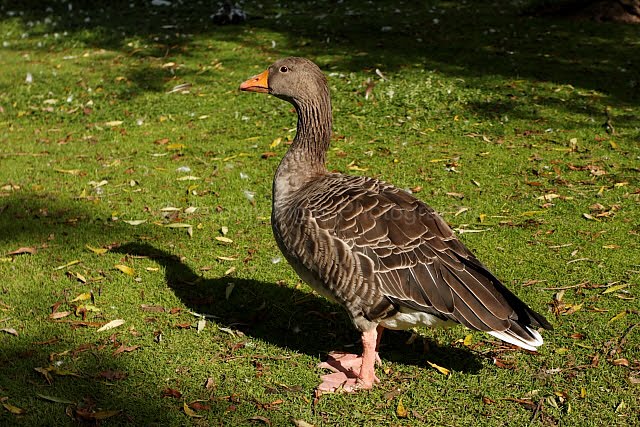
There is also a group of feral, free-flying, Greylag Geese:


Some of the many gulls include this winter-plumaged Black-headed Gull:


And this juvenile Herring Gull:


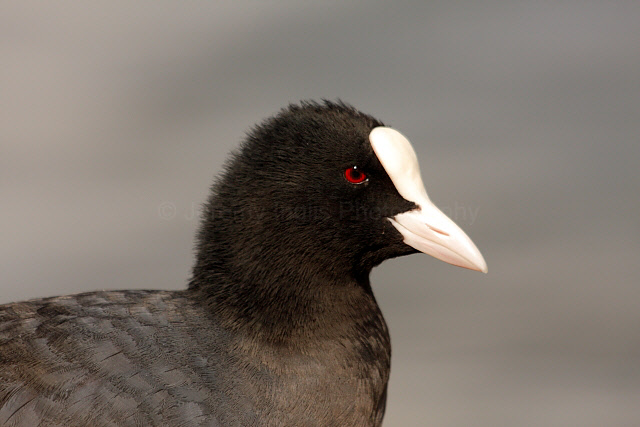
This Coot:


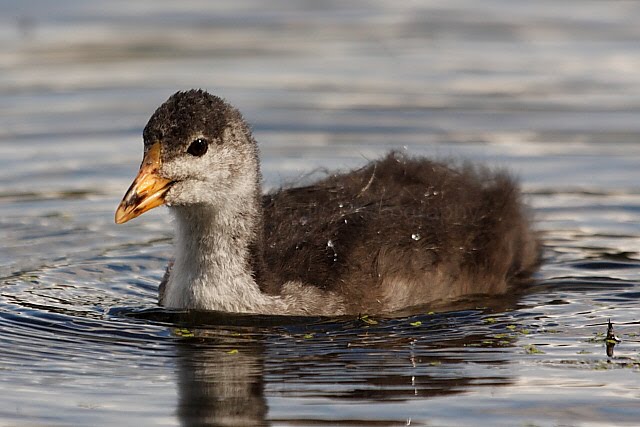
was closely followed by its offspring:


Soon after I arrived in the park, I spotted a pair of Great Crested Grebes with three young, but they were too far out from the shore for any decent photos. However, as I continued along the shore, I saw a small group of these lovely birds, consisting of two adults and five young, sheltering under an overhanging Weeping Willow tree. Here's one of the adults:


And one yawning:


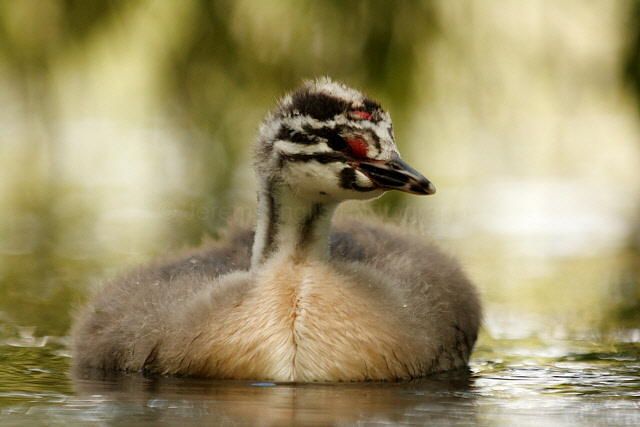
A couple of shots of the delightful youngsters:


Again, this adult was too close to fit completely into the frame:


A shaft of sunlight catches an adult's face, as it tends to its baby:


The dappled light made getting an even exposure quite difficult, so I decided to try a burst of fill-in flash for this picture:


I then began walking back from whence I had come, stopping for this wideangle shot of this approachable Greylag Goose:


Finally, as I neared the islands where I had started, I spotted the original Great Crested Grebes I had seen when I arrived, this time closer to the shore. I had time for this one shot, before heading off:


Definitely a place I must return to soon!

Wednesday, September 08, 2010

Rhossili

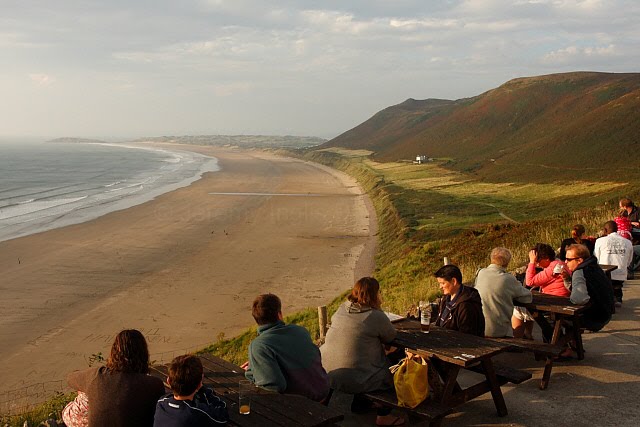
Last Saturday, September 4th, I went on a short trip to Rhossili, a small and remote village on the south-western tip of the Gower Peninsula. The weather was a little cool, breezy, and hazy, but we were still greeted by this lovely view along the famous beach:


This couple were among many enjoying the scenery:


Near the centre of the village is the Norman church of St. Mary's:


On the wall of the churchyard, I saw, appropriately, a Wall Brown butterfly, which, unfortunately, flew off before I could put my macro lens into action and photograph it.
We decided to take a quick peek into the interior of the church:


There is a plaque here in honour of Edgar Evans, a local man who died with Robert Falcon Scott - "Scott of the Antarctic" - on his ill-fated trip to the South Pole in 1912:


We then took a path through some fields as a short-cut to Fall Bay. The hedgerows were beginning to hang heavy with signs of Autumn, including these apples:


and these blackberries:


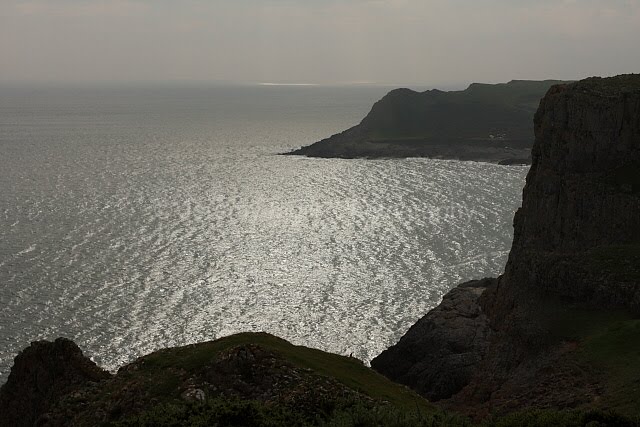
Arriving at our destination on the cliffs about fifteen minutes later, we looked to our right and were greeted with this view across the mainly-hidden (it was high tide) Fall Bay towards the distant Tears Point:


Looking to our left, a shaft of brief sunshine cast light upon the cliffs around Mewslade Bay (again, not really visible in the picture, due to it being high tide):


Walking along a bit further towards Mewslade, we paused for another look back across this cove towards Tears Point:


We were now on the cliffs between the two bays, and paused for some refreshments. Suddenly, two Peregrine Falcons appeared in front of us, flying at great speed, one following the other, across the sea from Mewslade to Fall Bays. One disappeared out of sight, whilst the other banked round, and began heading back towards us. I frantically began trying to switch my wideangle lens for my telephoto lens, hoping to photograph the bird as it flew over. Of course, I was too slow, and the Peregrine sped low above us, and I'd failed yet again to get any Peregrine shots. Darn it!
We waited around for a while, but there was no further sight of any Peregrines, so we headed back the way we had come. Accompanying us all the way in the fields around us were the Welshman's favourite animal, the sheep:


Once back in the village, the sun was beginning to shine, and I was able to take these pictures of the Worm's Head, a tidal island at the southern end of Rhossili Bay:


Before heading back to Swansea, we went into the local inn, The Worm's Head Hotel, for a drink:


and a meal:


We sat outside on the pub's terrace, watching the evening sun shine onto Rhossili Down and Beach. It was a great place to relax on a late summer's evening; and, as you can see, several others had the same idea:


So, we didn't see too much wildlife on our walk, but it was a lovely place to spend a couple of hours.